 By Jean Scott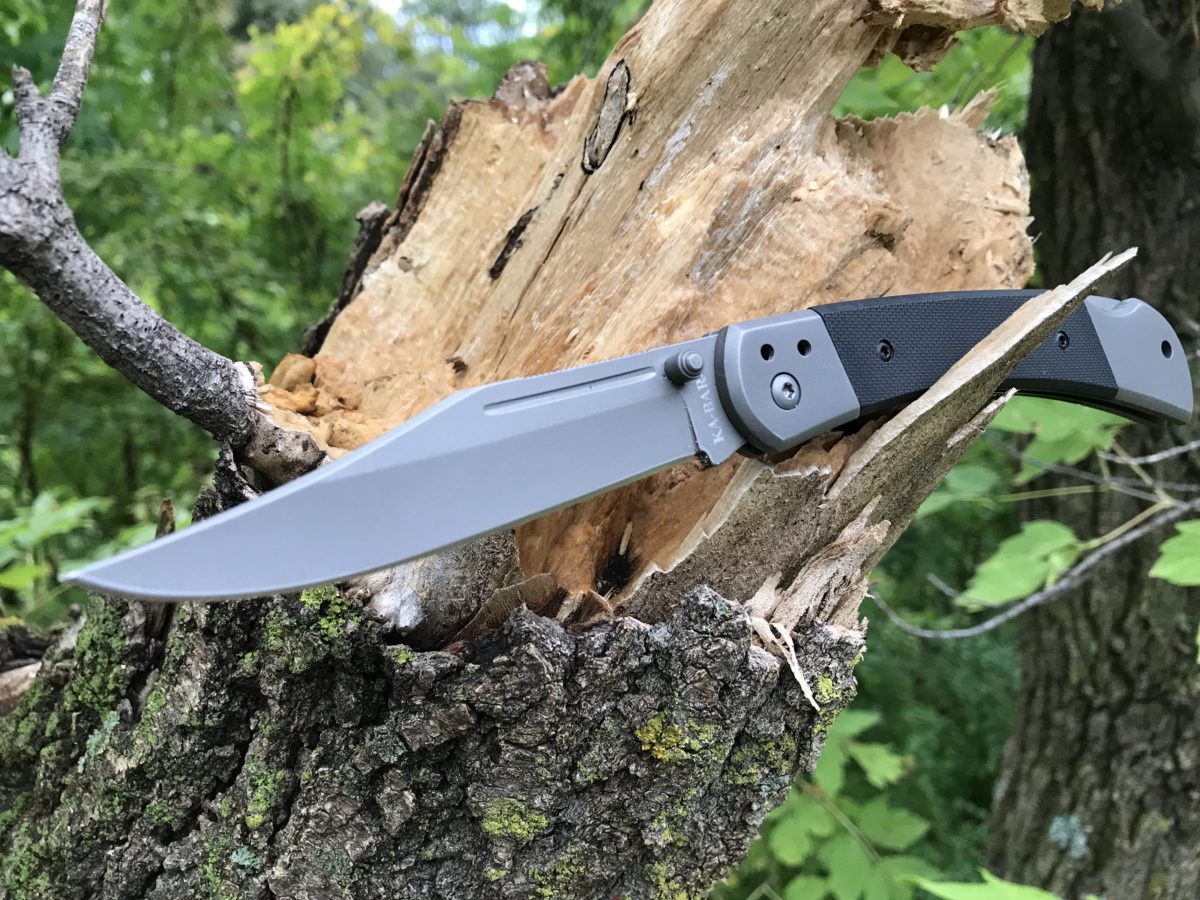
Daily cutting tasks require attention because improper blade use may create unnecessary risks. Learning Safe Knife Handling Techniques for Home and Outdoor Activities helps build better awareness during routine situations. Many readers check Knife Reviews to understand design features that support safer handling practices. Correct grip methods improve control while reducing mistakes during common tasks. Consistent habits create better results while supporting responsible use across different environments.
Building Better Handling Awareness
Safe use begins with understanding blade movement during regular activities. Proper attention helps reduce accidents while improving overall control.
Correct Grip Methods for Control
A stable grip improves accuracy during routine cutting responsibilities. Balanced hand placement supports safer operation during repeated tasks.
Creating Safer Working Conditions
Organized surroundings reduce distractions during blade-related activities. Clear preparation supports better concentration before beginning any task.
- Remove unnecessary objects before starting cutting-related responsibilities.
- Maintain visible surroundings for improved awareness during every activity.
- Keep working surfaces stable throughout regular handling procedures.
- Store unrelated equipment away from immediate operating locations.
- Ensure adequate lighting supports accurate movement during each task.
Additional preparation often prevents avoidable mistakes during routine situations.
Storage Habits That Reduce Risks
Proper storage remains important after every completed cutting activity. Secure placement helps prevent accidental contact during inactive periods.
- Use dedicated storage spaces designed for blade protection purposes.
- Keep sharp edges covered during extended periods without usage.
- Place equipment beyond easy reach during unattended circumstances.
- Maintain organized arrangements supporting quick identification when required.
- Check storage conditions regularly for continued protective performance.
Thoughtful storage supports safety while preserving overall blade condition.
Recognizing Signs of Equipment Wear
Regular inspection helps identify concerns before performance becomes affected. Early attention reduces problems that may impact safe operation.
- Examine handles carefully for looseness before beginning any task.
- Observe cutting edges for visible damage affecting reliable control.
- Check locking mechanisms whenever folding designs are being used.
- Review protective coverings for signs of weakening over time.
- Monitor overall condition through routine visual examination practices.
Routine observation often supports safer handling decisions.
Maintaining Focus During Usage
Distractions may affect judgment during cutting-related responsibilities significantly. Consistent concentration improves control throughout every movement performed.
- Direct full attention toward immediate tasks requiring blade operation.
- Avoid multitasking activities during situations demanding precise control.
- Pause work immediately whenever concentration becomes noticeably reduced.
- Maintain comfortable positioning supporting accurate hand movement throughout.
- Complete tasks carefully without rushing through important actions.
Focused handling contributes greatly toward safer outcomes.
Managing Blade Movement Responsibly
Controlled motion remains important during every stage of operation. Predictable movement supports safer handling during varied situations.
- Move cutting edges away from body positioning consistently.
- Maintain steady direction throughout each completed cutting action.
- Use measured pressure supporting improved control during operation.
- Avoid sudden adjustments while performing active cutting responsibilities.
- Follow intended paths carefully during every movement performed.
Reliable movement habits help reduce unnecessary hazards considerably.
What Actions Improve Everyday Safety?
Safe operation improves through consistent attention toward surroundings. Proper grip methods support control throughout routine cutting responsibilities. Organized preparation reduces distractions while encouraging responsible handling behaviour.
Which Practices Should Always Be Followed?
Certain habits remain valuable regardless of operating conditions encountered. Following these actions supports safer outcomes consistently.
- Maintain awareness throughout every cutting-related responsibility performed.
- Inspect equipment regularly before beginning important daily activities.
- Store items securely after each completed usage period.
- Use proper hand positioning supporting reliable operational control.
- Keep surroundings organized during all blade-related responsibilities.
Why Does Preparation Matter Before Use?
Preparation reduces uncertainty while supporting more controlled actions. Organized surroundings help improve awareness during active responsibilities. Simple planning creates better conditions before any cutting activity begins.
Habits Supporting Long Term Safety
Consistent routines help establish dependable behaviour during routine situations. Reliable practices support better judgment while reducing unnecessary mistakes. Awareness combined with preparation creates stronger handling habits over time. Regular review of safe methods encourages continued improvement during different activities. Knife Reviews often highlight practical features that support responsible operation through consistent execution rather than perfection.